
Bridge the Gap
This program is designed to support individuals who are currently on the waiting list for disability services through the State of Montana—notably those transitioning from the school system into adulthood.
How the Program Supports Individuals
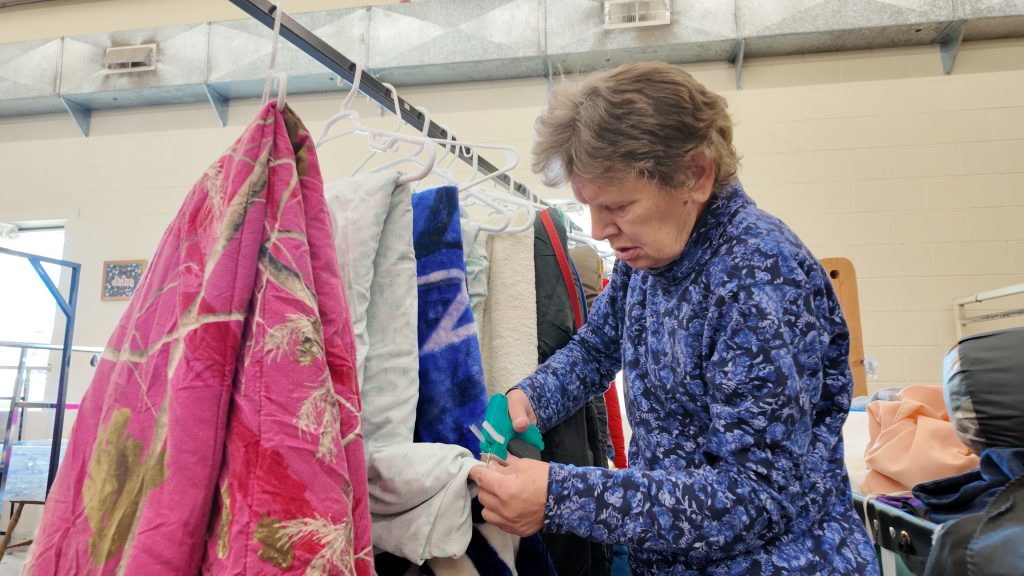
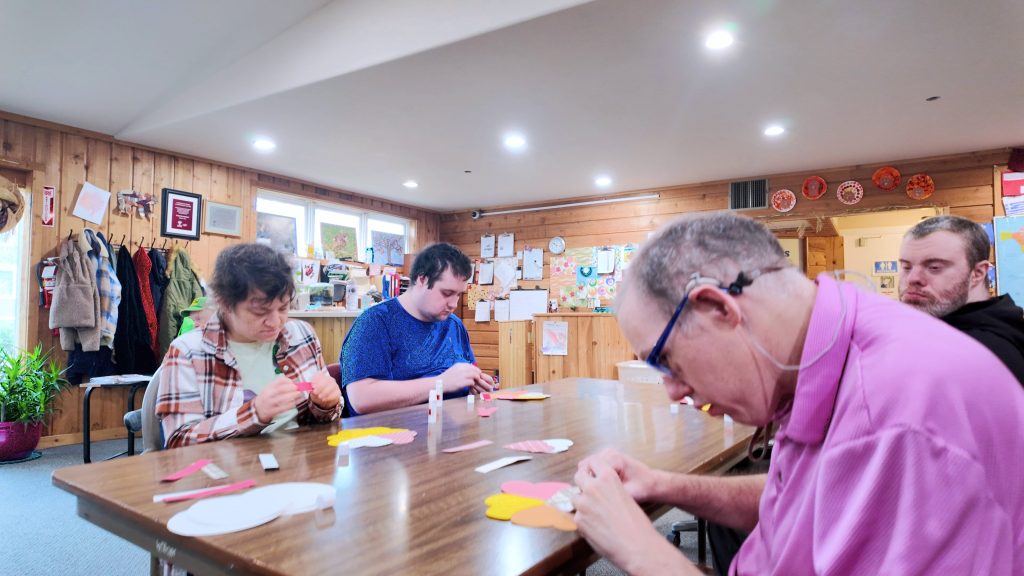
Our Bridge the Gap program provides access to vocational services or day program participation for up to one full year, allowing individuals to continue building skills while they wait for long-term funding.
State-funded disability services often require applications far earlier than most families realize, and this timeline isn’t always clearly communicated. Without early planning, individuals can end up on waitlists of five to seven years or longer before receiving support.
The Bridge the Gap Program allows individuals to receive structured support during this gap, so progress doesn’t stall and day-to-day stability doesn’t get lost while they wait for services to become available.
Services Available Through the Program
Participants can receive access to either of these services for up to one full year:
Vocational Services
Support focused on preparing individuals for employment and strengthening work-related skills, including:
- Exploring job interests and potential career paths
- Building workplace routines, expectations, and reliability
- Strengthening communication and social skills in professional settings
- Developing foundational, prevocational abilities
- Preparing for long-term employment success and independence
Participation in a Day Program
Structured daytime support focused on continued learning and personal development, including:
- Life skills development
- Socialization and relationship-building
- Interest exploration through a variety of engaging activities
- Educational activities and personal growth opportunities
- Confidence-building through routine and engagement with others
Why It Matters
For families of high school graduates, the transition from school services to adult services can be one of the most challenging gaps they face. Long waitlists can leave individuals without the support they need during a critical time of growth and independence. Despite the prevalence in high school graduates, these gaps in support can happen at any stage and have detrimental effects on individuals—disrupting routines, limiting skill development, reducing social connection, and creating setbacks in independence and personal growth. Access to structured support is critical for maintaining progress and long-term success.
Learn More
For more information about the Bridge the Gap Program, please contact:
Patrick Maddison (406) 755-7656 Ext. 245