
Accessibility Starts at Home
How a recent group home remodel is reshaping residents’ daily lives and their experience of home.
Accessibility often comes down to the details that many people overlook or take for granted: the height of a countertop, the functionality of a sink, the ability to safely enter a shower. Small, but intentional design choices can determine whether someone is dependent on assistance from others or can complete everyday tasks on their own.
This renovation project has been years in the making, but its impact is what reminds us of the necessity and value of having a home that works for you.
Before: A Home with Everyday Barriers
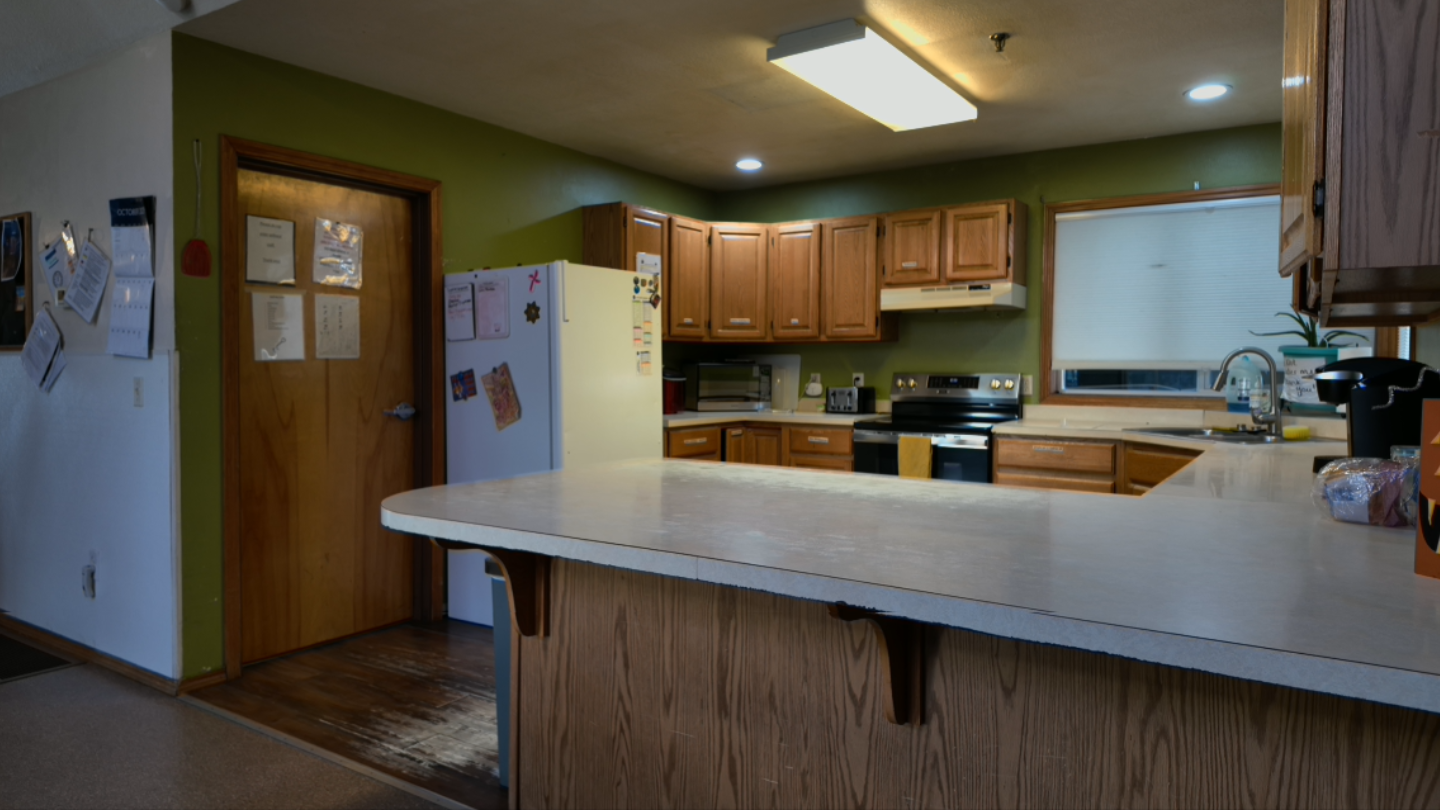
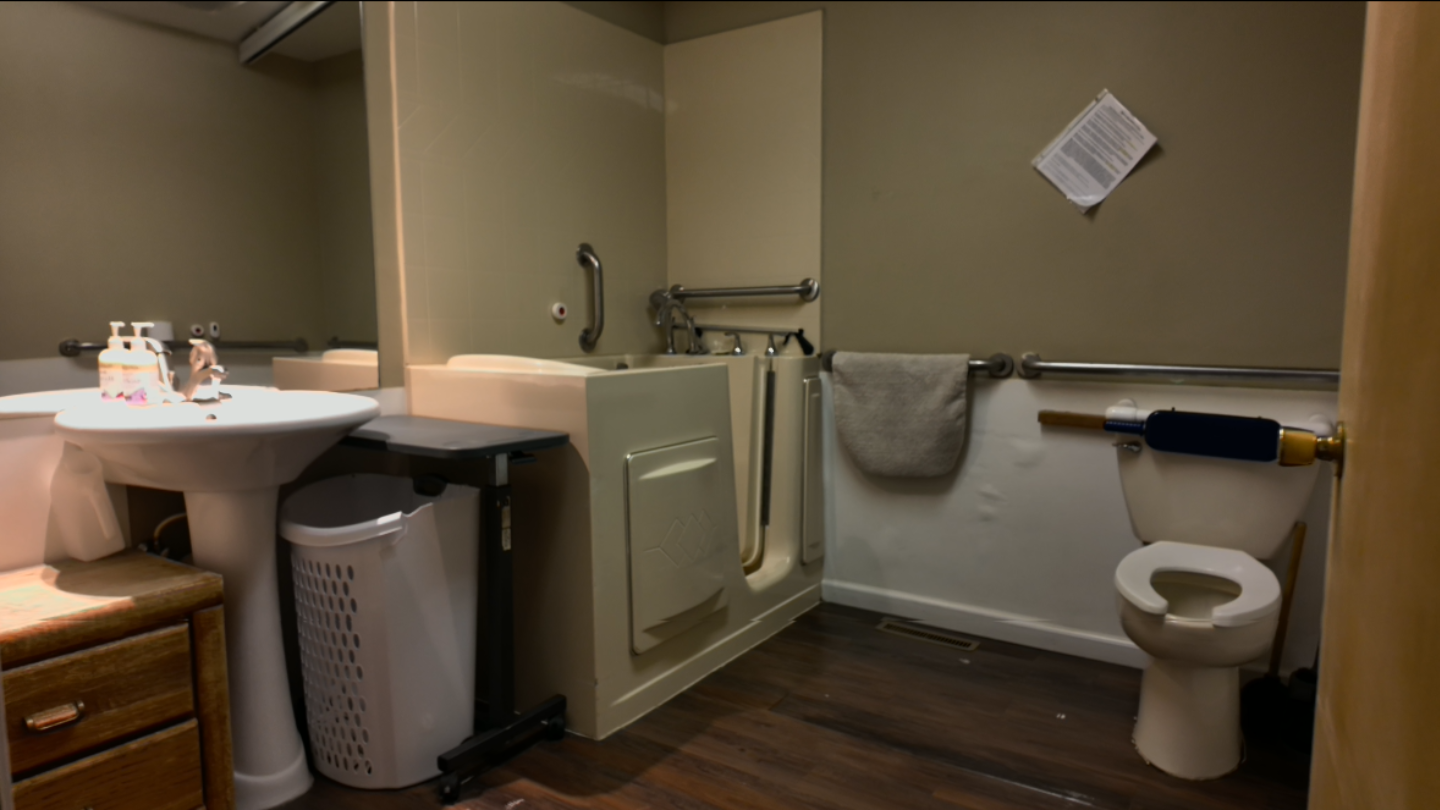
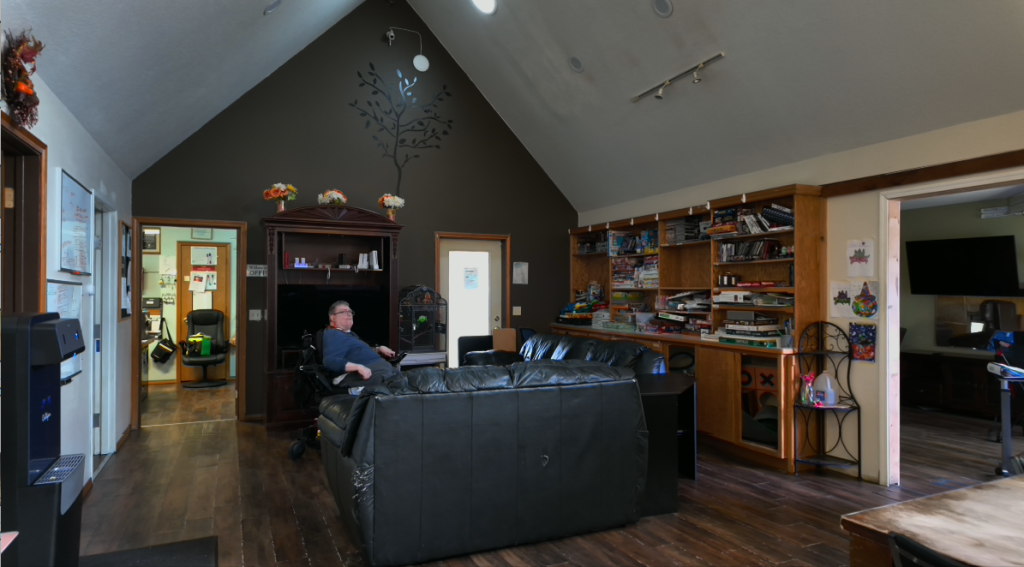
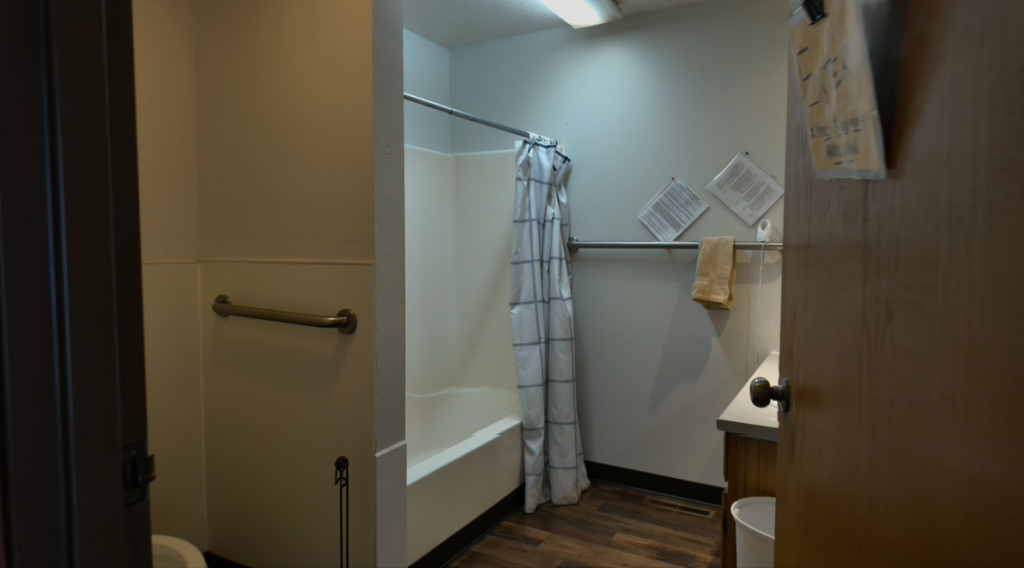
Before renovations began: October 2025.
In October 2025, Flathead Industries began a group home remodel to better support residents in their daily lives. The home had created ongoing challenges: countertops, appliances, and storage were often out of reach, limiting involvement in meal prep and other household activities. Bathrooms also posed safety concerns and made personal care difficult to complete independently. In addition, narrow, enclosed layouts made navigation especially challenging for residents with mobility issues.
Overall, the home’s design had added unnecessary obstacles in everyday routines, creating the need for thoughtful changes that would transform how the space is used and experienced.
Working alongside Domestic Habitat and DeWils Cabinetry, our team reimagined the home with accessibility at the forefront, while still creating a space that felt warm, vibrant, and welcoming.
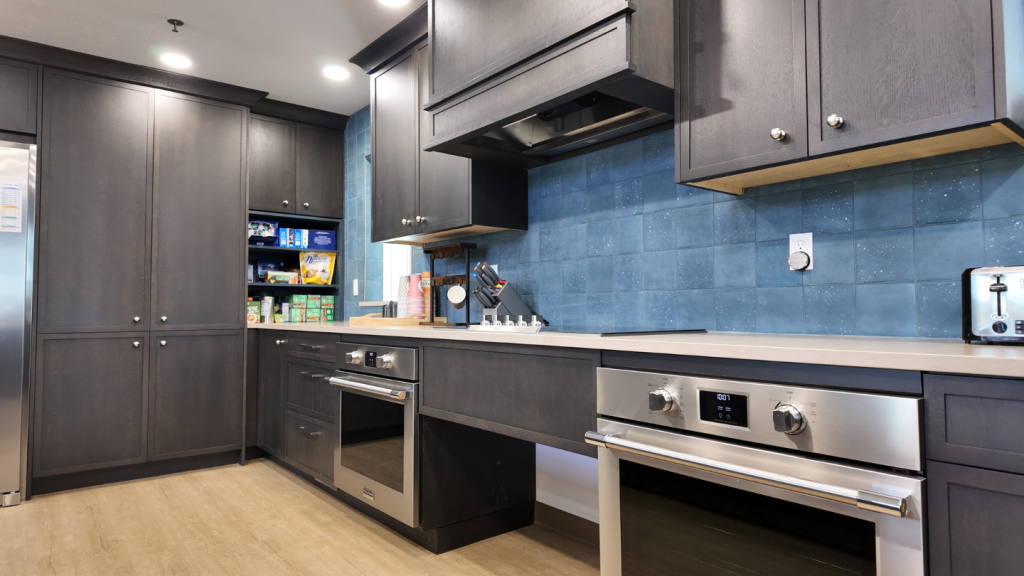
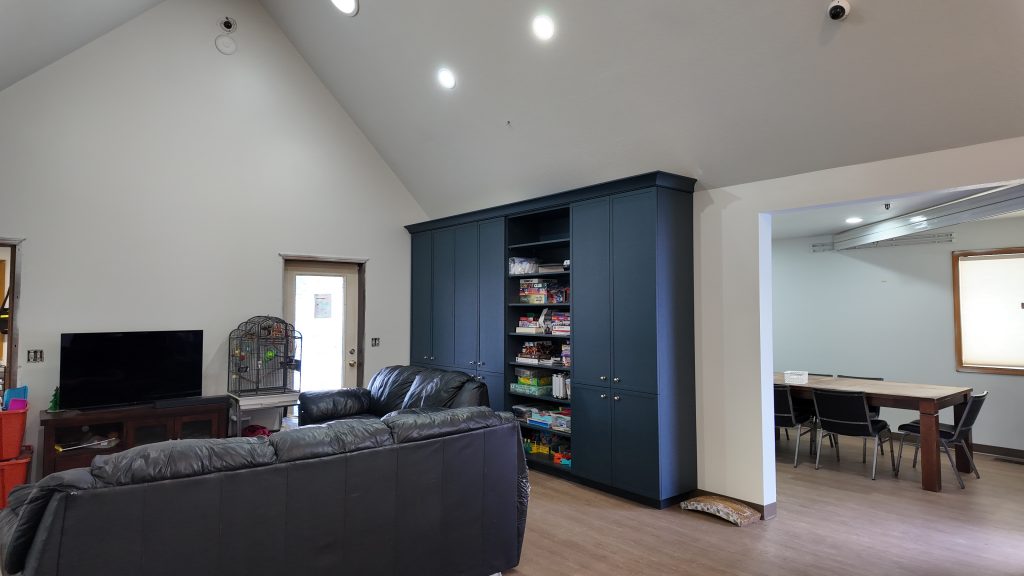
The project included a redesigned kitchen and game room, improved storage systems in the living room, accessible bathroom upgrades, and additional improvements throughout the home to support the residents’ safety and wellbeing.
But the true impact isn’t found in what changed structurally: it’s what became possible afterward.
Home Life Transformed: Steve's Story
For Steve, these updates have completely reimagined how he experiences daily life. Before the remodel, he encountered frequent barriers, including difficulties reaching items on countertops — which often meant having to position his wheelchair awkwardly or have someone grab what he needs — or relying on staff to help him access certain areas of the home.
As group home manager Alicia McClatchey explained, even something as simple as eating meals together required a workaround:
“We had an island that was lower to the ground and Steve couldn’t really reach. And so we had to lower his feet a lot and finagle him… he had to eat sideways just to eat breakfast.”
The setup often meant Steve would eat separately from the group, using a small table away from the main space. “It was a pain,” Alicia said. “He would sit away from the guys… but now he’s able to eat with the guys and kind of socialize more if he chooses.”
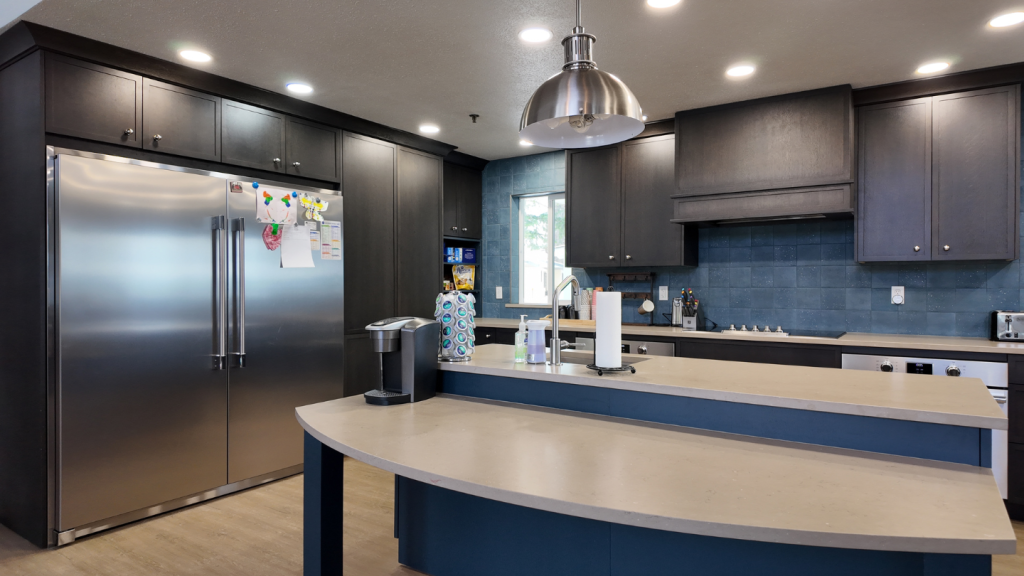
Today, the kitchen features an accessible island where Steve can comfortably sit alongside his peers. Instead of being separated from conversations and activities, Steve can now share meals and take part in the everyday moments that make life enjoyable.
Steve’s favorite part of the renovations? “I’m able to do the dishes.”
It may seem like a small task on the surface, but it highlights the transformative nature of having access to features that are truly usable — where daily routines can be done comfortably and with ease.
Improved storage, safer appliances, and accessible work surfaces now make it possible for residents to take part in tasks that were once difficult or out of reach.
Crystal Hartigan, the group home’s Client Service Director, shared: “With the limitations the old kitchen had, some of the individuals weren’t able to assist because they couldn’t access or reach the countertops, the microwaves, things like that. So with those all now being in the accessible range, it opens the opportunity for them to be more involved in that process and in their life.”

Additional Improvements
The impact of the remodel extends throughout the entire home:
- Spacious game room designed for recreation and social connection
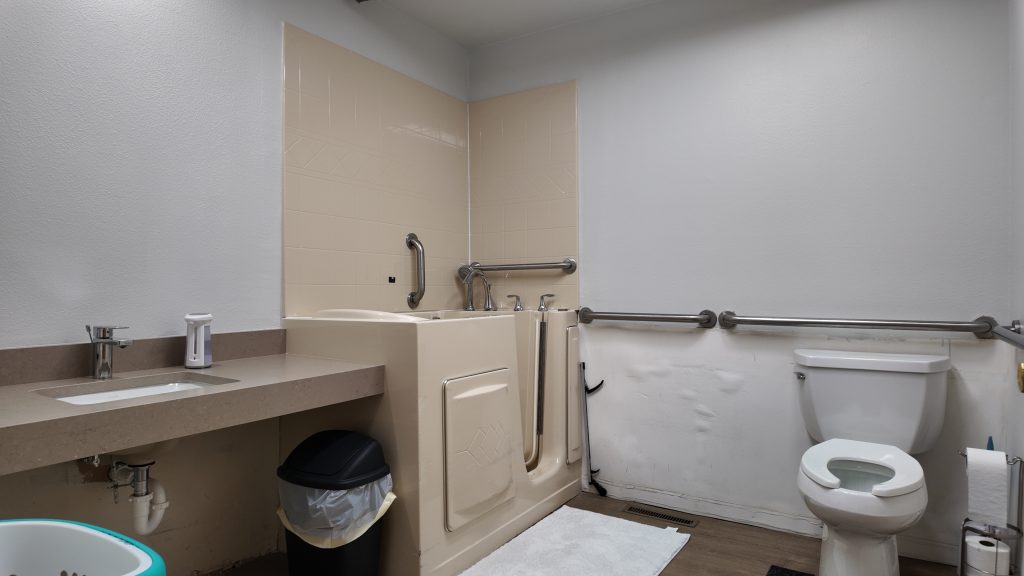
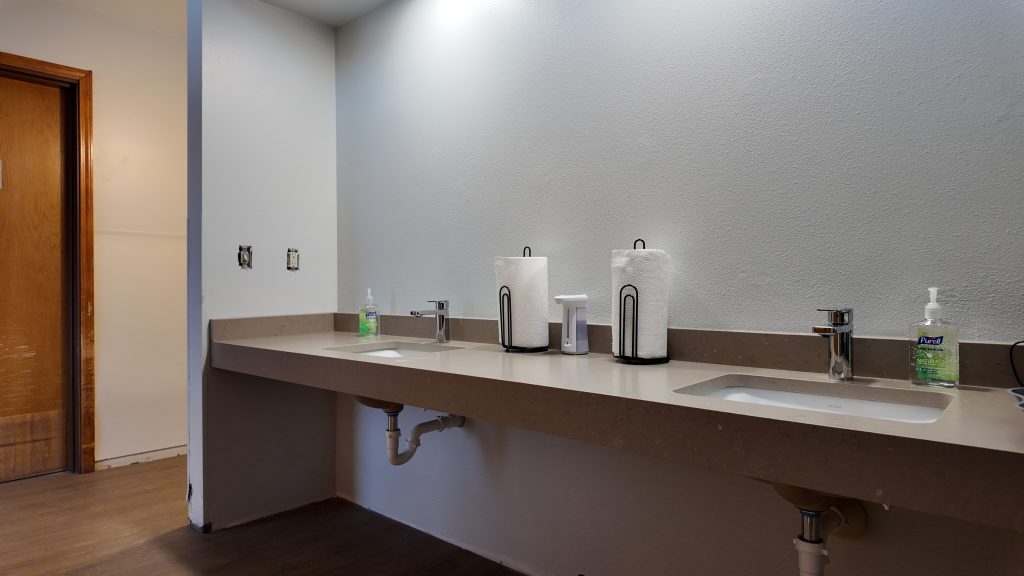
- Bathroom renovations replaced a traditional bathtub with a walk-in shower and added grab bars to improve safety and accessibility
- Durable wall panels were installed throughout the home to withstand wheelchair contact
- Future hallway handrails will provide even more support for residents with mobility challenges
Crystal added that these updates make a real difference in daily routines: “Now Steve can do what he wants to do without having Alicia come get his toothbrush, turn on the water, put the toothpaste on, and then help him put it all back. He can reach it all on his own.”
With fewer tasks requiring staff assistance and more opportunities for Steve and other residents to complete them independently, it builds their confidence and shifts how they experience their home in a meaningful way.
This home is just one example of what’s possible when accessibility is prioritized.
Flathead Industries operates more than 20 facilities across the valley, and this project is far from the end of our work. With continued community support, we strive to incorporate accessibility-focused upgrades across more of our facilities, ensuring that individuals have living spaces designed to meet them where they are.
“These renovations are extremely pricey,” explains Director of Marketing Alexandra Sheneman, “but every time we do it, it’s like this huge change, this massive life change.”
Because accessibility shouldn’t be considered an add-on or optional: it’s what allows people to participate fully in daily life, build independence, and thrive in the place they call home.
If you’d like to support future projects like this, consider making a donation or reaching out to marketing@flatheadindustries.org to learn how you can help make an impact.